If your dentures shift, irritate your gums, or feel uncomfortable, you’re not alone. Many denture wearers experience these issues, but modern dentistry offers a trusted solution: denture stabilization with dental implants. But what is the process for denture stabilization?
In this blog, our dental experts at Middle Georgia Center For Cosmetic Dentistry explain the step-by-step process, what to expect during treatment, and how it can benefit your long-term oral health.
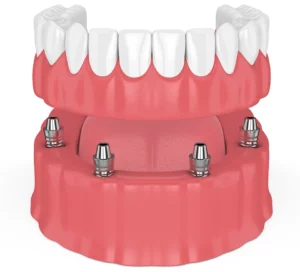
What Is Denture Stabilization?
Denture stabilization refers to the process of anchoring a removable denture to dental implants surgically placed into the jawbone. Unlike traditional dentures that sit on the gums and may shift, stabilized dentures “snap” into place using small connectors attached to implants.
The result? Greater comfort, improved chewing, clearer speech, and enhanced confidence.
Why Consider Denture Stabilization?
Many patients turn to denture stabilization when they feel limited by traditional dentures. Common reasons include:
- Loose or slipping dentures
- Difficulty eating certain foods
- Gum irritation and sore spots
- Lack of stability in the lower arch
- Desire for better aesthetics and quality of life
Stabilized dentures offer not just mechanical support but also biological benefits, like slowing jawbone loss by stimulating the bone through implants.
Step-by-Step: What Is the Process for Denture Stabilization?
Here’s a breakdown of the typical treatment timeline and what you can expect at each phase:
Step 1: Initial Consultation and Diagnostic Imaging
Your journey begins with a thorough dental evaluation at Middle Georgia Center For Cosmetic Dentistry:
- Review of your medical history
- Oral examination to assess your gums and bone structure
- Digital X-rays or 3D CT scan to evaluate bone density and implant feasibility
- Discussion of goals and expectations
Only a qualified dental professional can determine if denture stabilization is right for you. In some cases, bone grafting may be needed before implants can be placed.
Step 2: Personalized Treatment Plan
If you’re a good candidate, we’ll create a customized treatment plan that outlines:
- Number and type of implants (typically 2 to 6 per arch)
- Implant location and angles for optimal support
- Whether existing dentures can be adapted or new ones are required
- Recovery timelines and follow-up appointments
We use evidence-based planning tools and 3D scans for precision and predictability.
Step 3: Dental Implant Surgery
Under local anesthesia (with sedation options if needed), the implant placement procedure involves:
- Making small incisions in the gum
- Inserting titanium implant posts into the jawbone
- Placing healing caps and suturing the gum
This is an outpatient procedure performed in our office. Most patients return home the same day with post-operative care instructions and, if necessary, a temporary denture.
Step 4: Healing and Osseointegration (3–6 Months)
This phase is crucial. Over the next few months, your implants undergo osseointegration, where they fuse naturally with the jawbone. During this time:
- You’ll attend regular check-ups
- A soft-food diet may be recommended
- Pain and swelling typically subside within days
- You’ll practice meticulous oral hygiene to prevent infection
Scientific evidence supports that successful osseointegration greatly enhances the long-term performance of implant-supported dentures.
Step 5: Attaching the Denture to the Implants
After osseointegration, we proceed with the restorative phase:
- Abutments (connectors) are placed on top of the implants
- Your custom denture is modified or fabricated to fit these abutments
- The denture is then secured with a locator or ball-attachment system
This creates a “snap-on” effect that allows you to remove the denture when needed—but enjoy a much firmer, more stable fit while wearing it.
Step 6: Follow-Up Care and Long-Term Maintenance
Ongoing care is essential to maintaining the health of your implants and the stability of your dentures. Your follow-up care plan may include:
- Routine professional cleanings and exams
- Daily removal and cleaning of dentures
- Periodic replacement of attachment components
- Monitoring jawbone levels through imaging
Pro Tip: Implants don’t get cavities, but they can develop peri-implantitis (a gum infection). Good hygiene is critical for longevity.
Are You a Candidate for Denture Stabilization?
You may be a good candidate if you:
- Are in generally good health
- Have sufficient bone density or are open to bone grafting
- Currently wear dentures or are planning to get them
- Are committed to maintaining oral hygiene and follow-up care
- Do not smoke or have medical conditions that affect healing (e.g., uncontrolled diabetes)
During your consultation, we’ll evaluate your unique case and discuss any risk factors.
Cost and Financing Options
Costs vary based on the number of implants, whether bone grafting is required, and the type of denture used. While dental insurance may not fully cover the procedure, third-party financing options and in-house payment plans are available at Middle Georgia Center For Cosmetic Dentistry.
Investing in denture stabilization can lead to significant long-term savings—by reducing relines, adhesives, and the frequent replacement of traditional dentures.
Final Thoughts: A Better Denture Experience Awaits
So, what is the process for denture stabilization? It's a carefully guided journey involving implant placement, healing, and secure denture attachment—resulting in improved comfort, function, and confidence.
At Middle Georgia Center For Cosmetic Dentistry in Warner Robins, GA, we combine clinical expertise, advanced technology, and personalized care to help you regain a stable, natural-looking smile. Book Your Consultation with us today!
FAQs
How long does the denture stabilization process take from start to finish?
The full process typically takes 3 to 6 months, depending on healing and bone integration. The implant placement itself is completed in one visit, but osseointegration—the process where the implants fuse with your jawbone—requires a few months to ensure long-term stability.
Is denture stabilization safe for older adults?
Yes. Denture stabilization is widely considered safe and effective for older adults, including patients in their 70s or even 80s, as long as they are in generally good health.
Will I need bone grafting before I can get dental implants?
Possibly. If you've had significant jawbone loss due to long-term denture wear or tooth loss, you may require bone grafting to build up the bone structure needed to support implants. However, many patients qualify for mini implants or angled placement techniques that reduce or eliminate the need for grafting.
How do I care for implant-supported dentures at home?
Caring for implant-retained dentures is straightforward, but consistency is key. You should:
- Remove and clean the dentures daily
- Use a soft toothbrush to clean the abutments and surrounding gums
- Rinse with an antimicrobial mouthwash
- Visit us regularly for professional cleanings and attachment checks
Do implant-supported dentures feel different from regular dentures?
Yes — in the best possible way. Patients frequently report that implant-supported dentures feel more secure and natural. You won’t experience the shifting or clicking that’s common with traditional dentures.
What happens if one of the implants fails?
Although rare, implant failure can occur due to infection, insufficient bone integration, or external trauma. If this happens, we will:
- Remove the affected implant
- Allow time for healing
- Plan for replacement, possibly with a bone graft if needed
How long do the implants and dentures last?
The implants themselves can last 20 years or more with proper care. The overdentures, which are subject to wear and tear, typically last 5 to 10 years before needing relining, repair, or replacement. With routine dental visits and good hygiene, patients enjoy long-term benefits.
Can I eat all kinds of food with stabilized dentures?
Yes, after the healing period, you’ll be able to enjoy a much wider variety of foods compared to traditional denture wearers. Crunchy vegetables, fruits, and lean meats are typically well-tolerated.
Bibliography & Sources